Ties to Family in Russia Results in Clearance Denial

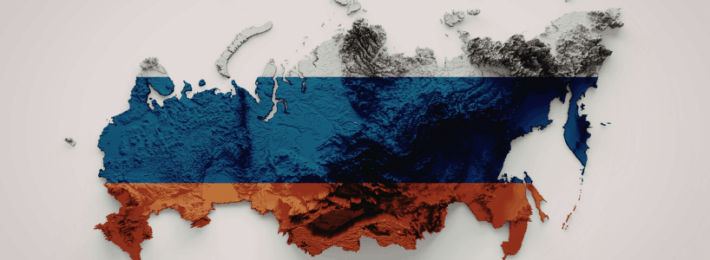
Lindy Kyzer recently published an article on ClearanceJobs that discussed the impact dual citizenship can have on security clearance eligibility. A recent Defense Office of Hearing and Appeals case involved an applicant who was a dual citizen of the United States and Russia and was initially denied eligibility based on foreign influence concerns. Here are the highlights of the case.
The applicant was born in the U.S., but because his mother had Russian citizenship, he was able to acquire dual citizenship. She ended up moving back to Russia to care for family after the applicant’s father passed away. The extended family in Russia consists of his mother, grandmother, aunts, uncles, cousins, and their families. He has almost daily contact through messaging apps. He has a Russian passport for the ease of travel into Russia without having the need to apply for a Visa.
The judge in this case noted that Russia is high on the threat list of countries that try to undermine U.S. interests and conduct extensive cyber and counterintelligence espionage. Since 2024, Americans have been advised to not travel to Russia due to the threat of being detained and interrogated. Based on this, there is a increased risk of exploitation of family members for coercion. Despite the applicant’s attestation that he is loyal to the U.S, his frequent contact with his Russian family members is a conflict of interest for being able to obtain and maintain access to classified information – clearance eligibility denied.



Comments are not currently available for this post.